
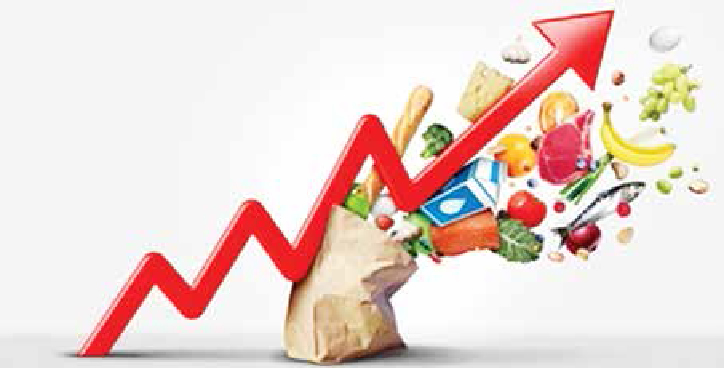
Nigeria’s Inflation Hit 33.88% in October — NBS
Nigeria’s inflation rate surged to 33.88% in October 2024, up from 32.70% in September, according to the Consumer Product Index report released by the National Bureau of Statistics, NBS, on Friday.
The movement indicated a 1.18 per cent point increase month-on-month.
On a year-on-year basis, the headline inflation rate was 6.55 per cent points higher than the rate recorded in October 2023 which was 27.33 per cent.
“On a month-on-month basis, the Headline inflation rate in October 2024 was 2.64 per cent, which was 0.12 per cent higher than the rate recorded in September 2024 (2.52 per cent).
“This means that in October 2024, the rate of increase in the average price level was higher than the rate of increase in the average price level in September 2024,” the executive summary of the report partly read.
On a month-on-month basis, the food inflation rate in October 2024 was 2.94 per cent which shows a 0.30 per cent increase compared to the rate recorded in September 2024 (2.64 per cent).
“The rise can be attributed to the rate of increase in the average prices of Palm Oil, Vegetable oil, etc (Oil & Fats Class), Mudfish, Croaker (Apo), Fresh fish (Obokun), etc (Fish Class), Dried Beef, Goat Meat, Mutton, Skin meat, etc (Meat Class), and Bread, Guinea Corn flour, Plantain flour, Rice, etc (Bread and Cereals Class).

“The average annual rate of food inflation for the twelve months ending October 2024 over the previous twelve-month average was 38.12 per cent which was an 11.79 per cent points increase from the average annual rate of change recorded in October 2023 (26.33 per cent),” the report read.
Ahead of the release of the data, some analysts projected that Nigeria’s inflation figure for October will hit 33.48 per cent from 32.70 per cent in September.
This persistent rise was primarily driven by steep increases in food and transportation costs following the removal of fuel subsidies and continued naira depreciation, compounded by insecurity and flooding in the agricultural belt of the nation.
Earlier in the year, inflation hit 33.2% in March, following a February rate of 31.7%. June marked a peak at 34.19%, the highest in nearly 30 years, before easing slightly in subsequent months due to seasonal harvests.
However, inflation began climbing again in September.
This uptick was driven primarily by higher energy costs, with petrol prices rising from N980 to around N1,050 per litre in Lagos and even higher in other states.
It is being projected that these adjustments could push the headline index above 35 per cent by December.
Food prices, in particular, have played a substantial role in the elevated headline rate, with September’s year-on-year food inflation rising to 37.77 per cent, up by 25 basis points from August’s 37.52 per cent.
Contributing factors include heightened insecurity, high farm input costs, and flooding across food-producing regions.
Copyright ©The Daily Bells.
All rights reserved. This material, and other digital content on this website, may not be reproduced, published, broadcast, rewritten or redistributed in whole or in part without prior express written permission from The DAILY BELLS.
HELLO! Do you have any NEWS you will like to share with The Daily Bells?
Contact us today for your Press Releases, Opinions, Others.
SMS: +2348060176677, WhatsApp: +2348025237926, Email: mydailybells@gmail.com


